Product Strategy · Strategy
What to sell, to whom and at what price to earn more
We look at your product or portfolio through the eyes of the customer and the business: sales, margin, the jobs it does. You know what to develop, what to rebuild and what to cut.
DOGMA’s position
A portfolio grows easily and shrinks with difficulty, so dead-weight items eat margin and attention for years. We give every product a diagnosis and a rule for its future.
When you need it
Sound familiar? That’s what clients tell us when they come in.
We have a product and we have customers, but sales are flat
The range has sprawled, and we can’t tell what actually makes money
New launches cannibalize our own product lines
We want a new feature, but don’t know if anyone will pay for it
What you get
What you’ll have in hand
-
Portfolio audit
Every item with a diagnosis: what to protect, what to rethink, what to phase out.
-
Customer jobs
Why customers buy the product, where it lets them down and what drives them away.
-
Product hypotheses
Product changes prioritized by impact on revenue, retention and average order value.
-
Product architecture
Tiers, lines and rules for every item, so new launches bring in new buyers.
How we work
Analysis → Customer → Decisions → Roadmap
Stage 01 of 04
Analysis
We break down sales, margin, usage and competitors to see which items carry revenue and margin and which drain resources.
- Your part
- Sales and margin data
- Stage output
- A diagnosis for every item
Stage 02 of 04
Customer
We talk to customers: what job the product does, where it falls short and why people leave.
- Your part
- Access to customers and the sales team
- Stage output
- Customer jobs and churn points
Stage 03 of 04
Decisions
We decide what to develop, what to rebuild and what to cut, tying every decision to revenue or retention.
- Your part
- Decision session with leadership
- Stage output
- Prioritized product changes
Stage 04 of 04
Roadmap
We lay out the changes in stages with metrics and set the rules for adding new launches to the portfolio.
- Your part
- Roadmap sign-off
- Stage output
- Roadmap and metrics
How we think
The principles behind the result
We judge products by money
Every item is measured by what it brings to revenue, margin and customer retention. The team’s favorites get no special treatment.
Customers buy a solved problem
We find out what job the customer hires the product to do. That shows which features are missing and which are excess.
Every new product brings a new buyer
A launch should bring in new customers. We find where product lines steal sales from each other and separate them.
What changes
- 01 The range grows without rules Every item has a role and a rule
- 02 Nobody knows which items make money It’s clear what carries revenue and margin
- 03 New features follow the team’s hunch New features follow customer jobs
Business resultYour product and portfolio match what customers are willing to pay for.
Discuss your challengeCases
Where it has already worked
 232 SKUs × 7 dimensions Chaser A business audit of 232 SKUs and a new product architecture for a category leader Chaser got a portfolio management tool and a decision that changed the company. Money under control. Read the case
-
 Strong both at home and away Remolo DOGMA’s own product: a remote desktop for Mac you control by touch
-
 Market chosen, product rethought Strilets Go-to-market and product hypotheses
-
 Retention map, churn points and business hypotheses Futurist Jobs to Be Done research: retention and growth for a language school
-
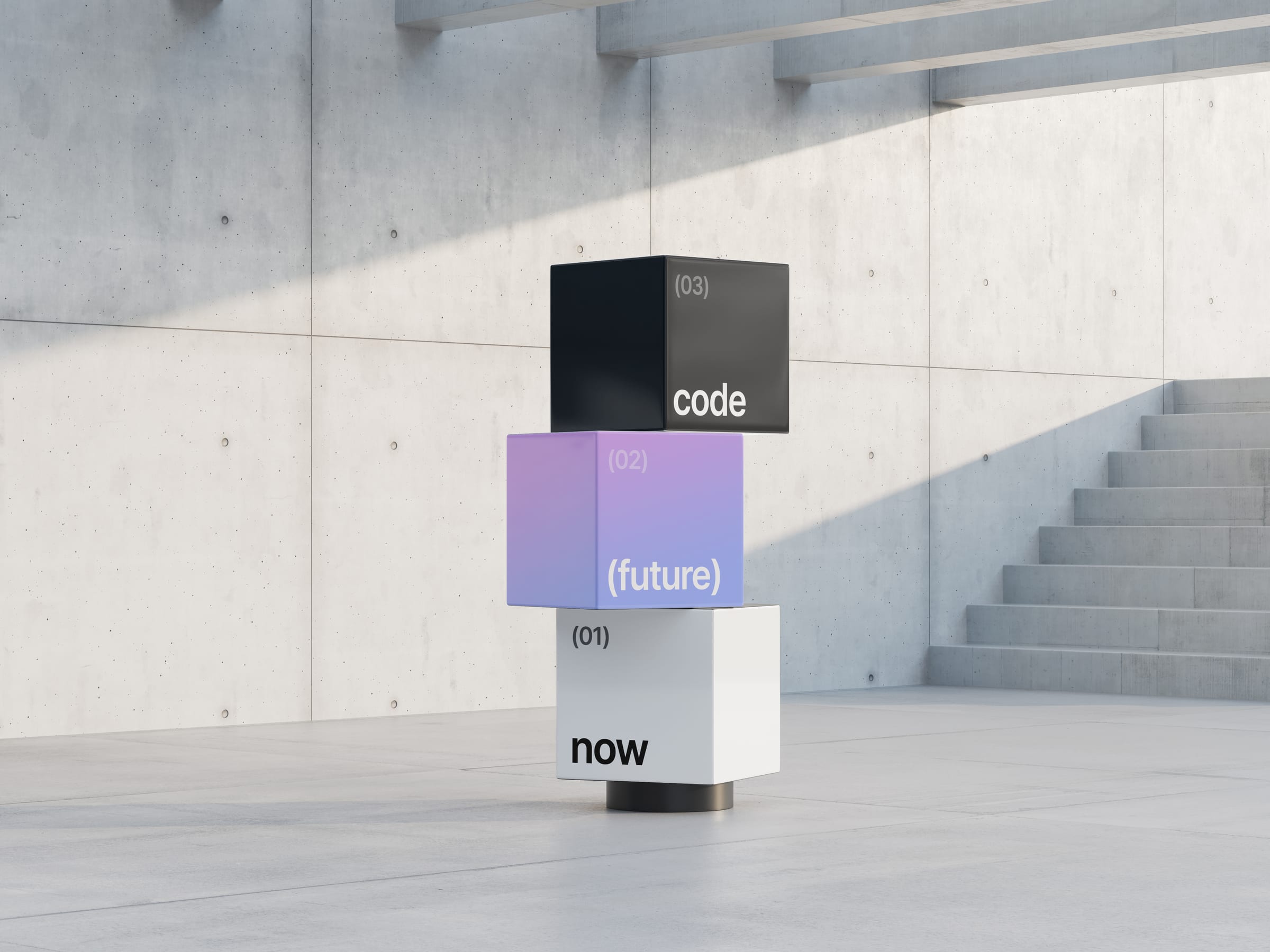 The future in brackets — and a method to reach it (future) code Naming, method, brand and platform for wealth management: the future in brackets
Questions
What clients usually ask before we start
Does this work for one product or for a portfolio?
Both. With a single product, we look for what to change so people buy it and stay. With a portfolio, we define each item’s role and what should go.
Do you write technical specs for development?
We define what to change and why, with priorities and metrics. Your team builds the technical implementation on that foundation.
What data do you need to start?
Sales, margin and access to customers. Whatever is missing we fill in through interviews and competitor analysis.
What’s next
Clients often continue with