How to implement a brand strategy
In his Wizeclub lectures, Davyd Gviniashvili showed how to turn a brand strategy from a slide deck into a system that shapes communication, marketing and the business itself.
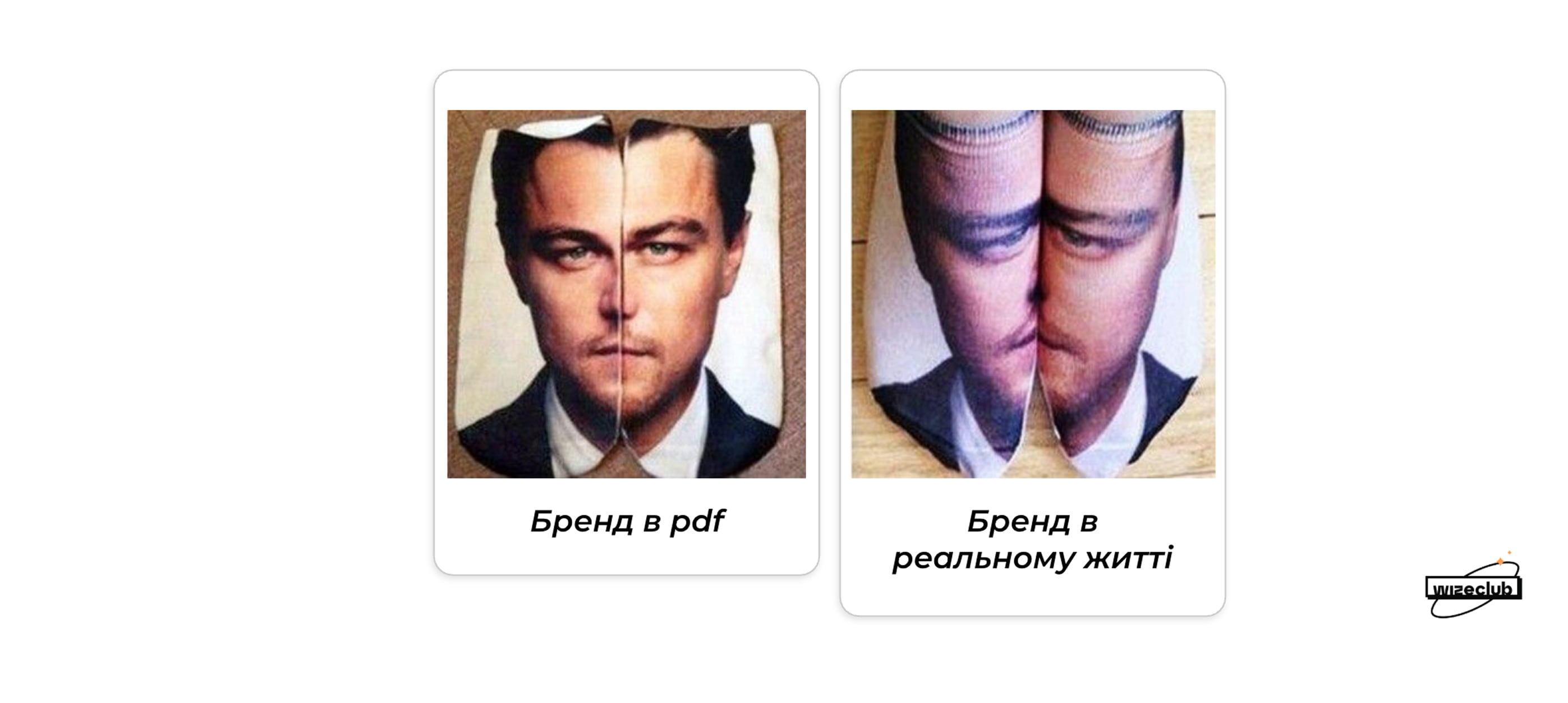
A brand lives in actions: turning strategy into a system
You can develop positioning, values and a hundred-slide brand book. But if what people see, hear and feel when they deal with the company stays the same afterwards, the brand will remain in the presentation.
On a Wizeclub course, Davyd Gviniashvili gave two lectures on brand: from strategy to rolling it out into communication, media and concrete metrics. The core idea: a brand will take shape either way. The only question is whether you manage it.
A brand is what people think and feel
A brand is what people think and feel when they recall your company. Everything shapes it: the product, service, advertising, website, packaging, communication and every interaction with a customer.
That is why a brand can form systematically or chaotically. The business’s job is to decide who it wants to be for the customer, how it stands apart from competitors and why people should choose it.
The logic runs top-down: business goals → marketing → brand strategy → communication → concrete actions. The brand has to serve the same goals as the business.
Strategy has to turn into action
The trouble often starts once the brand strategy is done. Positioning is approved, values are written up, the presentation is closed — and the company goes back to its usual social media and ads. For the strategy to work, you need to answer three questions: who we talk to, what we say and where we say it.
If people don’t know the brand, that’s one task. If they know it but don’t trust it, that’s another. If they want to buy but the process is complicated, that’s a third. So a single ad campaign solves only part of the job.
The same goes for channels and KPIs. First define the task, then the message, the channel and the metric that will show the result.
Brand and performance complement each other here. One builds awareness, trust and future choice; the other drives traffic, leads and sales. Together they should serve one business goal.
If, after creating a brand strategy, the company keeps talking, looking and acting the way it did before, all you had was a presentation.
Read next
All posts →Marketing from the inside: a talk for teens at IT from the Inside Kiril Treitiak showed teenagers aged 14–17 how marketing works: from a poster in Krolevets to a VARUS.UA campaign and our own app, Remolo. How to build a marketing management system A lecture for Young Business Club, a community of entrepreneurs and business owners. How a brand adds value Why do similar products sell at very different prices? DOGMA co-founder Kiril Treitiak explains how a brand creates added value and why a brand starts with strategy.